Beware: The Dangers of Knock-Off Medication and Fake Medicine
In today's world, where the demand for affordable medication is a constant concern, the market for knock-off medication and fake medicine has grown exponentially. While the allure of cheaper alternatives may be tempting, the risks associated with consuming such products can be severe and life-threatening. It is essential to understand the dangers that come with using counterfeit medication and the importance of being vigilant in safeguarding our health.
Types of Knock-Off Medication
Knock-off medication can take many forms, from counterfeit pills that closely resemble the genuine product to generic drugs that have not undergone proper testing and regulation. Consumers may come across these deceptive products online, in illicit street markets, or even in some unscrupulous pharmacies.
One common type of knock-off medication is counterfeit drugs, which are produced to mimic the appearance of authentic pharmaceuticals. These products may contain incorrect ingredients, incorrect dosages, or no active ingredients at all, posing serious risks to those who unknowingly consume them.
Another form of knock-off medication is substandard drugs, which are products that do not meet quality standards in terms of ingredients, manufacturing processes, or labeling. These medications may be ineffective at best and harmful at worst, compromising the health and well-being of those who rely on them for treatment.
Risks of Using Fake Medicine
Fake medicine can pose serious health risks as they may contain harmful substances that can have adverse effects on your body. Ingesting counterfeit medication can lead to unexpected side effects and complications in your health condition.
Moreover, fake medicine often lacks proper quality control measures, making it difficult to determine its actual effectiveness or safety. Consuming knock-off medication can result in treatment failure, worsening of symptoms, or even life-threatening consequences in severe cases.
It is crucial to be cautious when purchasing medication and always opt for legitimate sources to avoid the dangers associated with fake medicine. Putting your health at risk by using counterfeit medication is not worth the potential consequences it may bring to your overall well-being.
3. How to Avoid Counterfeit Drugs
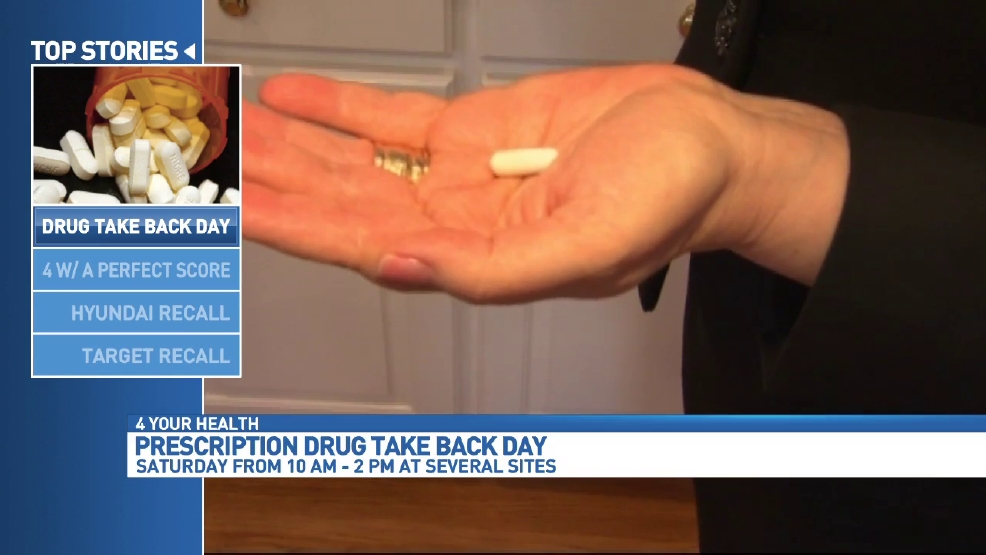
It is crucial to only purchase medication from licensed pharmacies or reputable online stores to ensure that you are receiving genuine products. Avoid purchasing medications from unauthorized street vendors or unfamiliar websites, as these sources are more likely to sell counterfeit drugs. Always check for Sukhi Ghuman , packaging, and labels on the medication to confirm its authenticity.
Additionally, be wary of unusually low prices for medications, as this could be a red flag for counterfeit products. If a deal seems too good to be true, it's best to err on the side of caution and avoid purchasing from that source. When in doubt about the legitimacy of a medication, consult with a healthcare professional or pharmacist for guidance on the best course of action.